Table of Content
One secondary treatment technique may requiring your surgeon to rotate a local muscle to cover the olecranon bone and fill the space with tissue rather than fluid. Your doctor might order an x-ray to look for a broken bone, bone spur, or calcium deposit at the elbow . If your physician feels that the bursal sac is infected, fluid might be removed from the bursa with a needle and sent for testing. The crystal deposition problems look similar to infection.
Brain tumor, breast cancer, colon cancer, congenital heart disease, heart arrhythmia. Our servers have detected that you are accessing this site from a restricted area. We follow a strict editorial policy and we have a zero-tolerance policy regarding any level of plagiarism. The numbers in the parentheses are clickable links to peer-reviewed scientific papers. Go to the emergency room right away if you’ve experienced a trauma or if any fluid is draining from your elbow. Gout — and other types of arthritis — can be a cause of bursitis.
Hand flips
Some bursitis cases can require aspiration, corticosteroid injections, or surgery. See your doctor if your pain doesn’t go away, or you notice signs of infection. If you don’t already have a provider, our Healthline FindCare tool can help you connect to physicians in your area. After numbing the area with a local anesthetic, a healthcare provider will inject a needle into the inflamed bursa to remove the fluid.

Stretching can help improve your flexibility and range of motion, which will help reduce pain with movement. As a Sports Medicine Physician, I treat this on a daily basis with my patients who work with repetitive movements and suffer from symptoms of lateral epicondylitis. If you would like to talk to one of our orthopedic specialists or if you have questions about an elbow injury or symptoms, please get in touch with us or comment below. Also known as Popeye’s elbow, elbow bursitis has the characteristic look of a bulbous lump on the tip of one’s elbow. This procedure is conducted as a day care procedure which involves aspiration of the fluid in.
What Leads to Swollen Bursae?
Your orthopedic surgeon will likely recommend a few exercises to help you regain full range of motion as you heal. It can usually be treated at home and should go away in a few weeks. Patients with elbow bursitis should rest and protect their elbow until the elbow bursitis has completely resolved. While surgery is an important option, some home remedies are available for pain relief and. The therapeutic benefits accorded to turmeric can be traced back to the anti-oxidant curcumin, which has shown considerable potential for healing a variety of conditions. Some studies have even shown turmeric to be helpful in the treatment of osteoarthritis.
It may affect the joints in the shoulder, elbow, hip, knee, heel, or the base of a big toe and cause a lot of pain and discomfort. One early symptom of elbow bursitis is swelling around or at the tip of the elbow. This inflammation can cause pain, which may worsen if you put pressure on or try to straighten or bend your elbow. Take an over-the-counter medication, such as ibuprofen or naproxen sodium , to relieve pain and reduce inflammation. Use of this website and any information contained herein is governed by the Healthgrades User Agreement. The content on Healthgrades does not provide medical advice.
Corticosteroid injection
In that case, it could be a good idea to invest in post surgery clothing since attire is compression friendly and compression clothing has several benefits. It’s caused when the bursa, the small, fluid-filled sacs that cushion your joints, become inflamed. Fortunately, there are several ways to treat bursitis at home, such as resting and icing your elbow. If it doesn’t go away within a week or two, your doctor can usually treat it with medicine.
The bursa is a normal thin sac of fluid that lies between this bony tip and the skin. Normally, this sac has only a small bit of fluid inside of it and lays flat; the fluid is not typically detectable. However, the bursa can become irritated or inflamed and fill with extra fluid . When this happens, swelling develops at the back of the elbow.
If you're dealing with elbow bursitis, you can do a few things at home to help speed up your recovery time. In most cases, elbow bursitis will resolve within a few weeks with proper care. Elbow bursitis recovery time can vary depending on the severity of your condition. However, if your symptoms don't improve or worsen, it's important to see a doctor for further treatment. With proper treatment, most people with bursitis can find relief from their symptoms and can eventually return to their normal activities. However, in some cases, bursitis may come back or may even lead to the development of other conditions, such as tendonitis or arthritis.
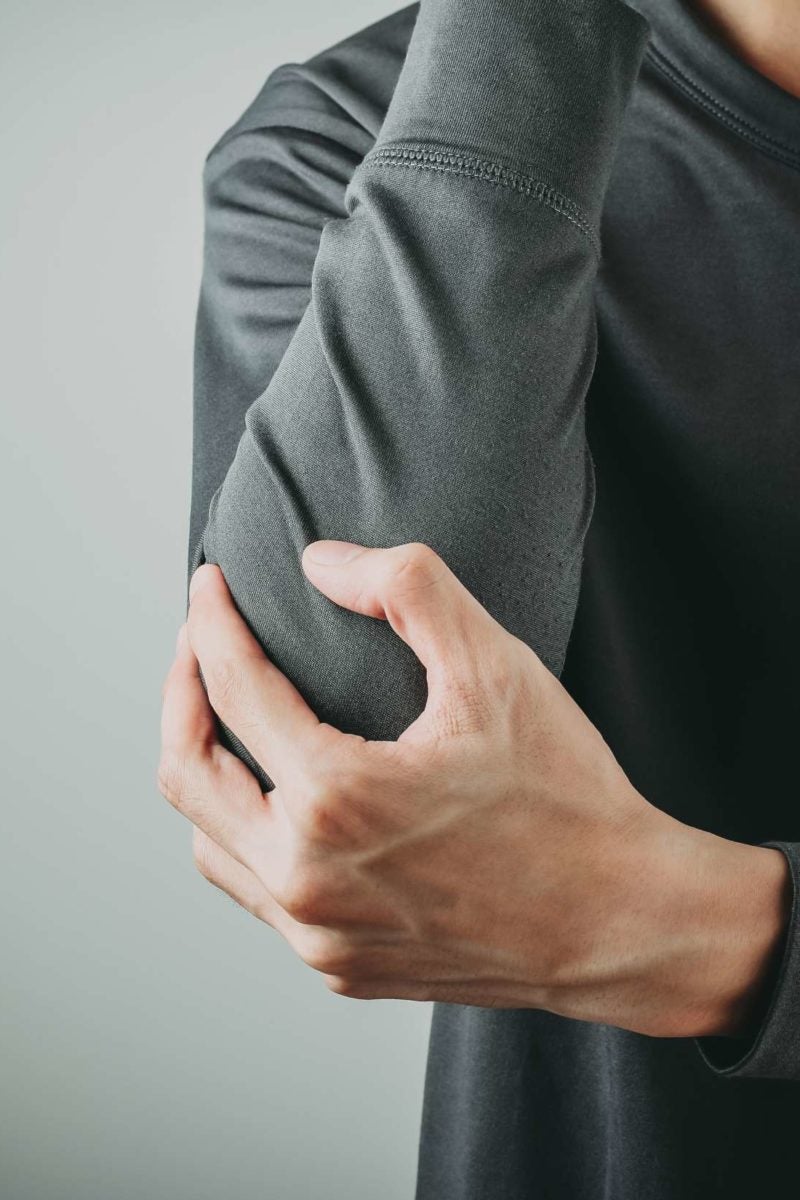
If you must engage in it, try taking regular rest breaks or alternate that action with others. Talk to your doctor about what alternatives you could do instead. Icing the elbow for the first 48 hours after symptoms begin can reduce swelling.
Oftentimes, this enlargement at the tip of the elbow is painless, but at times, it can be uncomfortable. Bursitis in the elbow is caused by inflammation of the bursa. The bursa is a small, fluid-filled sac that acts as a cushion between bones and tissues. Bursitis occurs when the bursa becomes inflamed or irritated. This condition can cause pain and tenderness around the elbow joint. Bursitis of the elbow is also known as olecranon bursitis or student's elbow.
In some cases, your doctor might use ultrasound to guide the injection into the affected bursa. The ultrasound's hand-held transducer provides a live-action display your doctor can view on a monitor during the procedure. Elbow bursitis is a common condition that is often caused by the work you do or the activities you love. Knowing that your daily routine is causing you pain can be frustrating, but bursitis is usually quick to heal and often doesn’t require special treatment. Make sure not to ignore any new symptoms — especially pain or swelling. Taking a short break from the activity that caused your bursitis is usually all you’ll need to do to treat your symptoms.
The effect is thought to be through the blockade of cytokines in the inflammatory pathway, including COX-2, the target of some non-steroidal anti-inflammatories. Dimethyl sulfoxide , derived from wood pulp, can also help in the treatment. The symptoms become worse when you try to move or press on the affected joint. Manual workers are increasingly prone to developing this condition as well due to all those hours of heavy lifting. The yellow pigment called curcumin in turmeric is a very effective anti-inflammatory agent.
Allow your doctor to complete common tests, if necessary. Many times, your doctor can diagnose bursitis based on your medical history and a physical exam. If they can't be sure of the cause of inflammation, they might run some tests. Imaging tests, like X-ray, MRI, or Ultrasound can help them confirm the diagnosis. Undergo surgery if your bursa doesn’t respond to treatment. If you're still experiencing symptoms after 3-6 weeks, your doctor might recommend surgery to remove the entire bursa.




No comments:
Post a Comment